
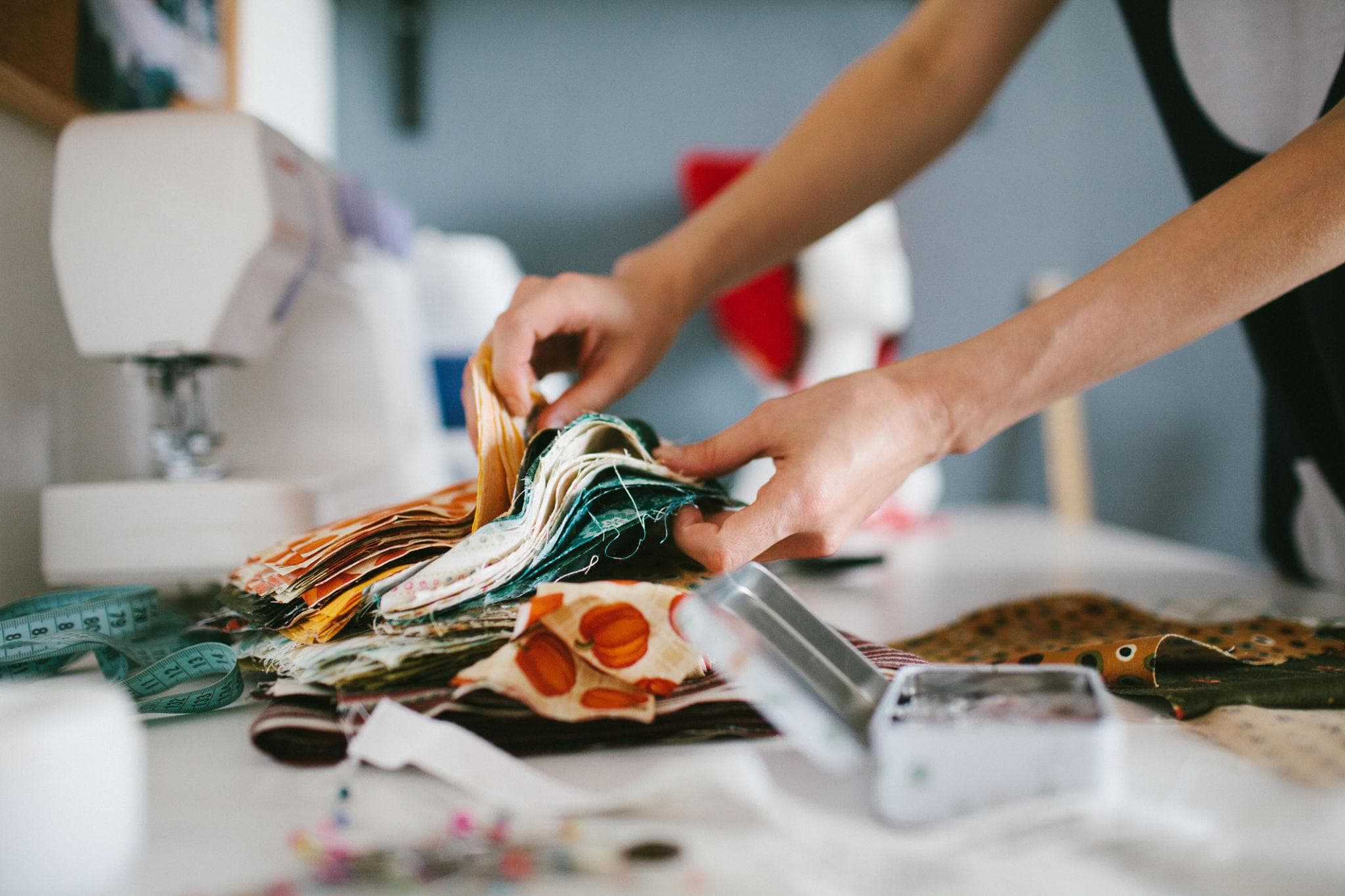
Every fashion designer knows the feeling: the vision is clear, the sketches are done, but somewhere between the client brief and the final fitting, hours vanish into spreadsheets, email threads, and WhatsApp voice notes. The craft doesn't slow down studios — the admin around it does.
Scattered conversations across email, text, and social DMs are the number one reason projects stall. A single shared link where clients can view specs, leave comments, and approve changes removes the back-and-forth entirely — and gives you a paper trail when scope changes mid-project.
A PDF timeline is out of date the moment a fabric shipment is delayed. Cloud-based schedules that update in real time — visible to your whole team and, where useful, your clients — mean nobody is working off yesterday's plan.
Every season, designers re-source the same categories of trims, fabrics, and finishes. A studio-wide library of past selections turns "what did we use last time" into a two-second lookup instead of a dig through old emails.
The studios growing fastest aren't necessarily the most talented — they're the ones who've removed friction between a good idea and a finished garment.
Invoicing, order tracking, and status updates are necessary, but they're not why anyone became a designer. Automating them frees up hours per week that go straight back into the work clients are actually paying for.
Waiting on a client to be free for a call shouldn't hold up production. Async approval flows — where clients review and sign off on their own time — cut project timelines significantly, especially across time zones.
None of this replaces skill or taste. But it does mean the designers who get the operational side right spend more of their week designing — and less of it chasing down a decision that could've been made in thirty seconds.
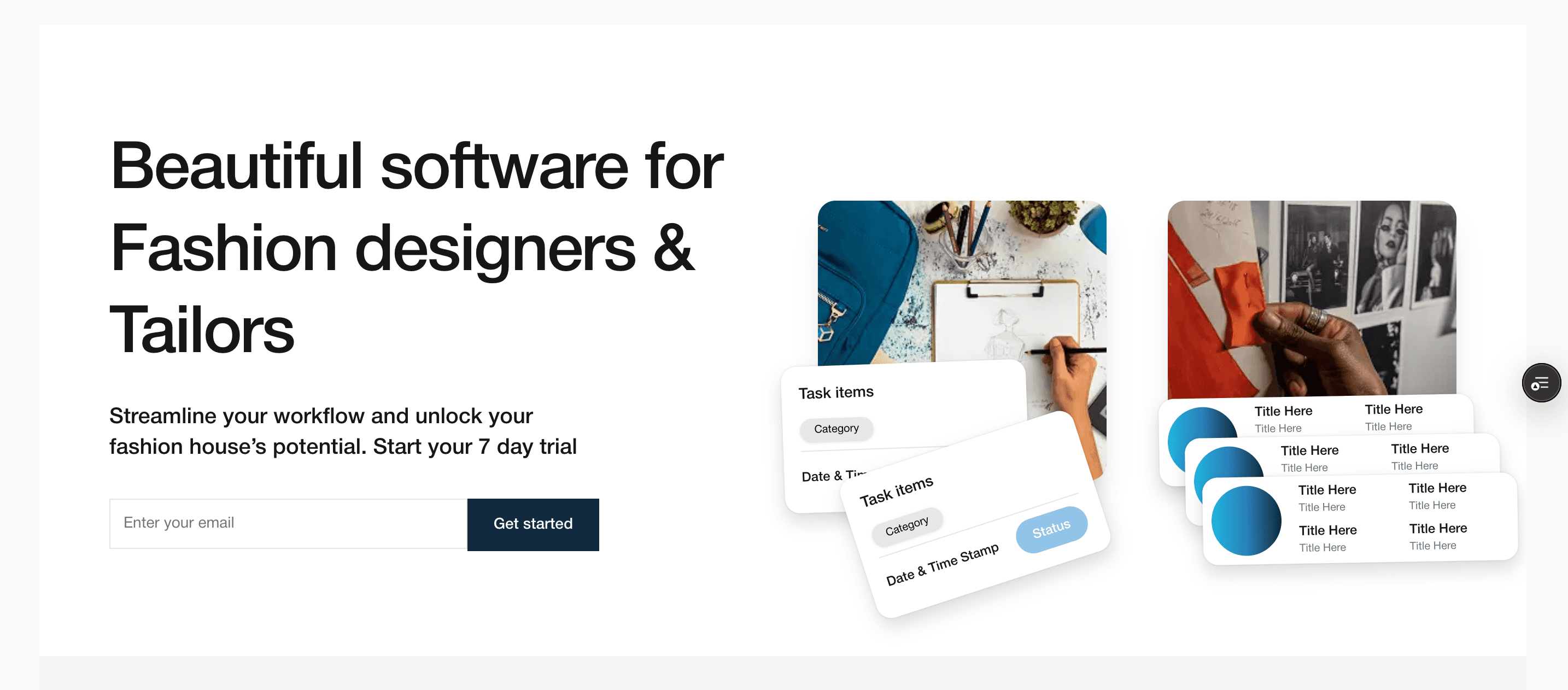 Product Updates
This month's updates focus on the two things designers ask us for most: getting client sign-off faster, and keeping production schedules honest.
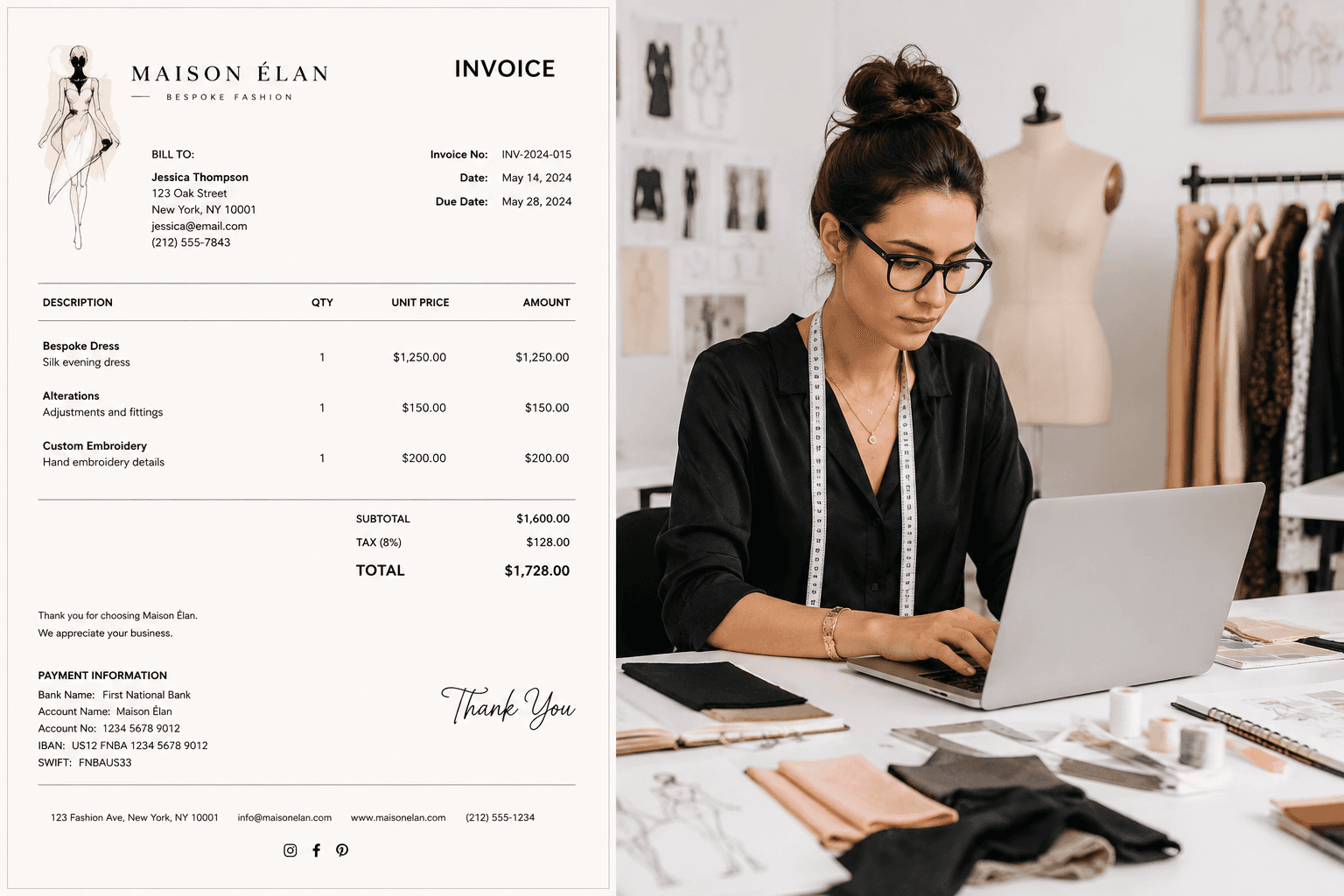 Business
Underpricing is the quiet business-killer for independent designers and tailors. Here's a framework for pricing that accounts for your actual time.
 Tailoring
As fast fashion fatigue sets in, more clients are seeking out tailors who can make a garment fit like it was made for them — because it was.
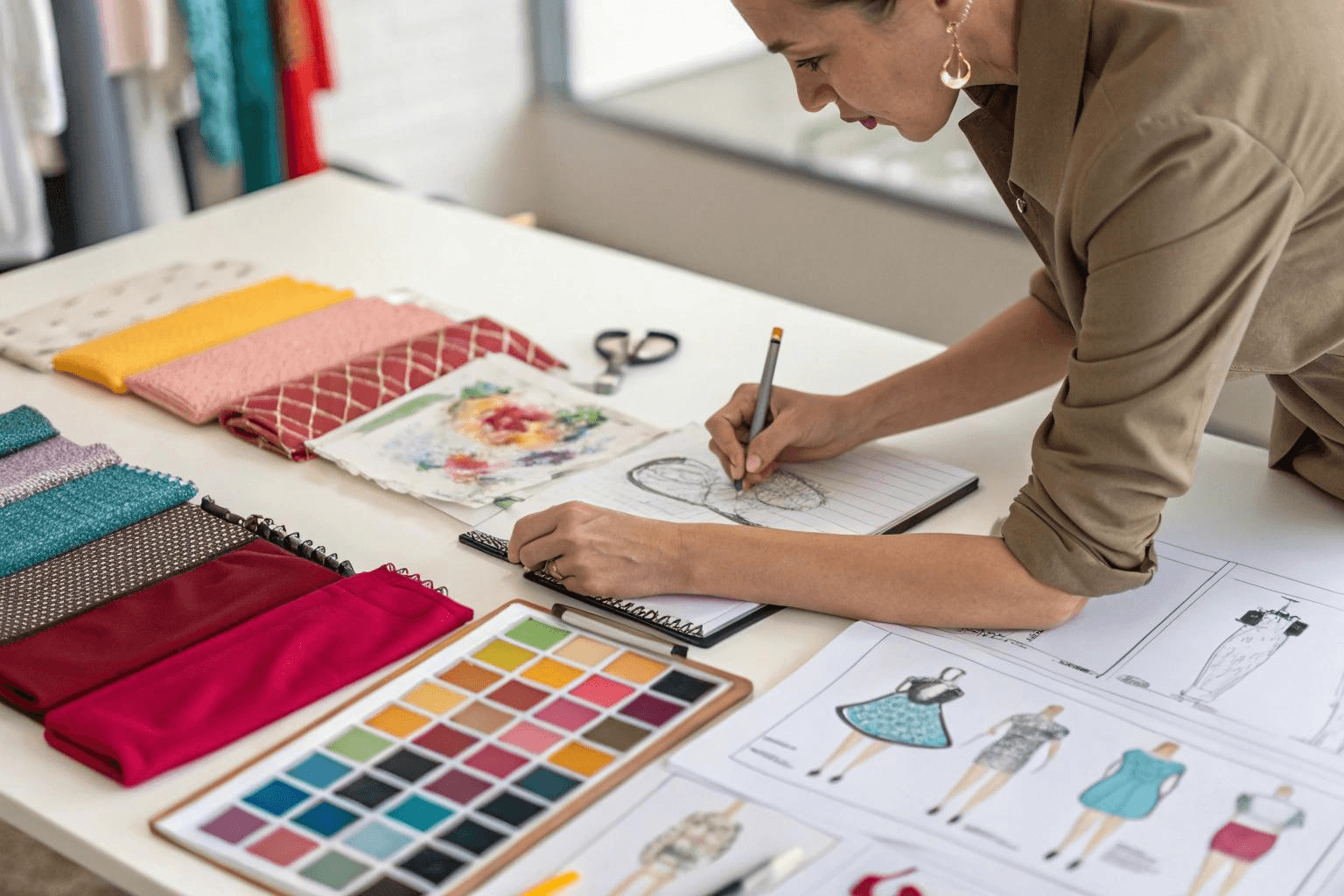 Fashion
Most client relationships don't end over a design disagreement — they end quietly, over missed updates and unanswered questions.
 Marketing
A beautiful lookbook gets attention. It rarely gets bookings. Here's the gap most designer portfolios miss.
 Community
Co-working spaces aren't just cheaper rent. For six designers in one Lagos studio, they became a source of referrals, honest feedback, and fewer lonely 2 a.m. deadlines.